
ELV Depollution
What Is ELV Depollution?
Why is Depollution Important?
If a vehicle is disposed of without being depolluted, it is considered hazardous waste. This can be damaging to the environment, with the potential to contaminate the soil, water, and air for years to come. ELV vehicle depollution eliminates this risk, as chemicals are safely disposed of before they can damage the health of humans or wildlife.
Depolluting vehicles also means that they can be recycled. This encourages the resale of parts, reducing the amount of new metal that needs to be manufactured.
With over 1 million cars being scrapped each year, the importance of correctly processing ELVs so that they don’t pollute the environment, and can be recycled, is a priority.
What Are the Different Types of ELV Depollution?

What is the Process of Depollution?
Authorised Treatment Facilities are required to follow a detailed step-by-step process in order to safely depollute ELVs and convert them to non-hazardous waste. These are some of the main steps:

Preliminary checks & actions
This stage includes a variety of checks, such as assessing the vehicle for hazards, confirming the presence of airbags and removing the battery.
Fluid removal/removal of other hazardous materials
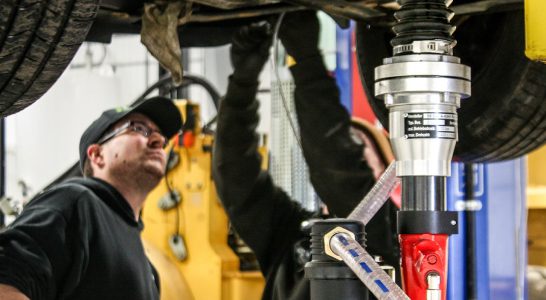
This is the most extensive stage, including a variety of removal processes. Facilities are required to safely remove hazardous materials such as engine oils, transmission oils, hydraulic oils, and coolant.
Removal of airbags
One of the final stages in the depollution process is the removal or deployment of airbags. This is because airbags are potentially volatile if left in ELVs.